.jpeg)
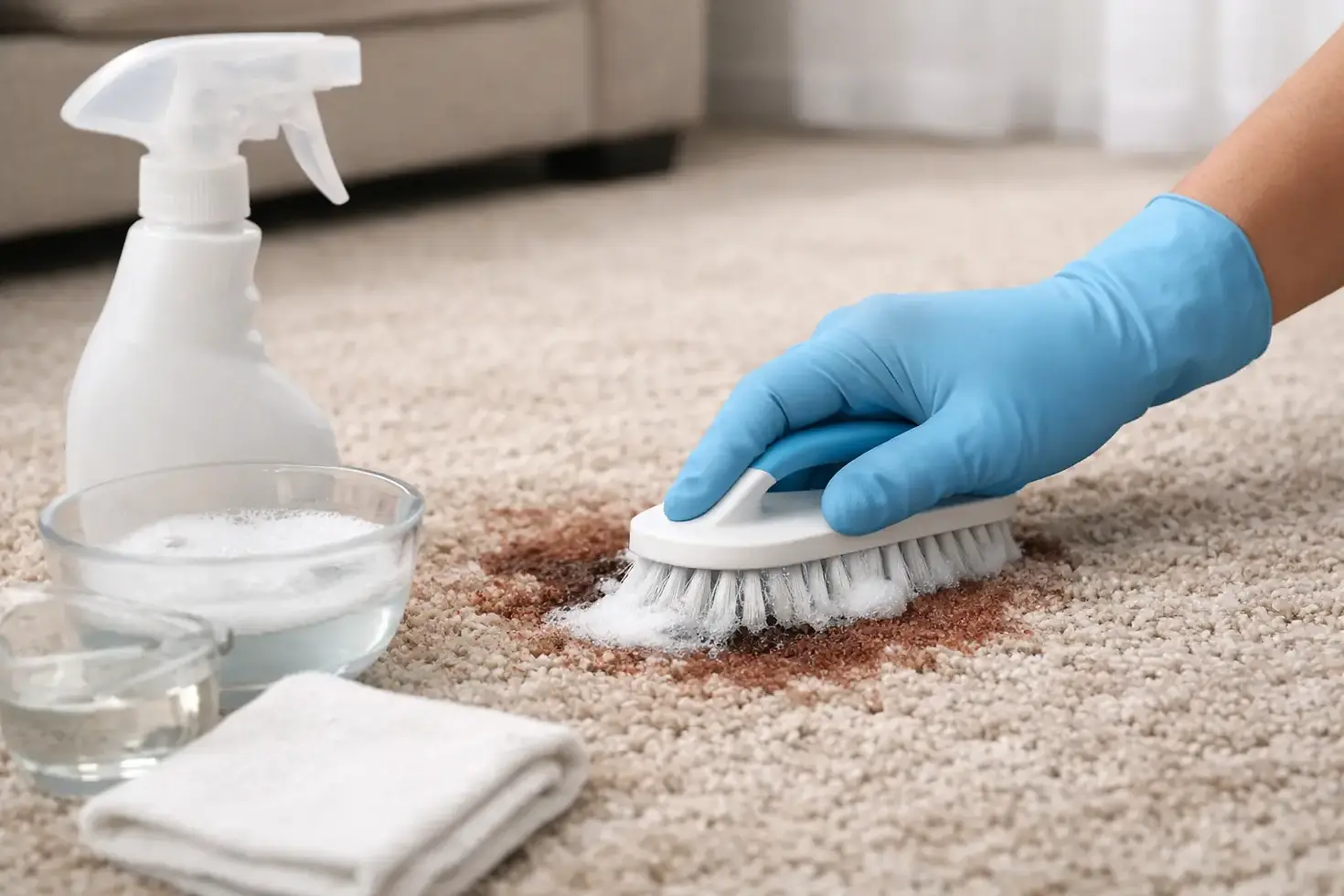
How to Remove Carpet Stains Without Damage

That moment when you spot a fresh stain on the carpet usually happens at the worst possible time - just as guests are due over, the children are charging through the room, or the dog has decided to inspect the mess for you. If you want to remove carpet stains without damage, speed helps, but the right method matters even more. A quick scrub with the wrong product can leave you with faded fibres, a rough patch, or a stain that comes back after it dries.
The good news is that many common carpet stains can be treated safely at home if you keep things simple. The aim is not to soak the carpet or attack it with harsh chemicals. It is to lift the stain gently, protect the pile, and avoid leaving behind residue that attracts more dirt.
Why carpets get damaged during stain removal
Most carpet damage does not come from the stain itself. It comes from the clean-up. Scrubbing too hard can fray fibres and spread the spill deeper into the backing. Using hot water on the wrong stain can set it. Strong shop-bought stain removers may bleach colour or leave a sticky patch that looks clean at first but darkens again with foot traffic.
This is especially true in busy family homes, where carpets already deal with muddy shoes, pet paws, food spills and the usual daily wear. A gentle approach often gives better results than an aggressive one. It may take a little more patience, but it is far safer for the carpet.
Before you remove carpet stains without damage
Start by checking what sort of stain you are dealing with. Tea, coffee, red wine, mud, grease and pet accidents all behave differently. What works for one can make another worse.
Blot first, always. Use white kitchen roll or a clean white cloth so there is no risk of dye transfer. Press down firmly to absorb as much of the spill as possible. Do not rub back and forth. Rubbing pushes the stain outward and can flatten the pile.
If you are using any cleaning solution, test it on a small hidden area first. A corner behind furniture is usually enough. Wait a few minutes and check for colour loss or fibre change before using it on the visible stain.
Safe methods for common household stains
For many fresh spills, plain lukewarm water is the best first step. Dampen a clean cloth, blot the stain, then use a dry cloth to lift moisture away. This alone can deal with light marks before they settle.
If water is not enough, a small amount of washing-up liquid mixed with water can help on everyday food or drink spills. Use only a few drops in a bowl of water. Too much soap is hard to rinse out and can leave a tacky residue. Blot the stain with the solution, then blot again with clean water to remove any remaining soap.
Mud is a little different. Let it dry first, then vacuum up as much loose dirt as possible before treating any mark left behind. If you tackle wet mud straight away, you usually spread it.
Greasy stains from food, make-up or lotions need a careful touch. Start by blotting, then use a mild detergent solution sparingly. Grease often needs more than one round of blotting and drying. Patience is better than over-wetting the carpet.
Pet accidents are one of the trickiest problems because the visible mark is only part of it. Odour can linger deep in the fibres or underlay if the area is soaked. Blot thoroughly, use a gentle solution suitable for carpets, and avoid products that simply mask smells. If the stain has been there for a while, professional treatment is often the best route.
What not to use on your carpet
A lot of well-meant DIY advice causes more trouble than it solves. Bleach is too harsh for most carpets and can permanently strip colour. Strong disinfectants may damage fibres or leave a chemical smell that hangs around the room. Washing-up liquid can be useful in small amounts, but pouring it on directly is asking for residue problems.
Vinegar and bicarbonate of soda are often recommended online, but they are not a cure-all. In some cases they help, in others they leave the carpet overly wet, affect the backing, or create a chalky residue that is hard to fully remove. It depends on the stain, the carpet material and how much is used.
Steam cleaners can also cause issues if used for spot cleaning without care. Too much moisture on one area can push the stain deeper and extend drying times. On delicate carpets, heat can do more harm than good.
Why blotting beats scrubbing
If there is one rule worth remembering, it is this: blot, do not scrub. Scrubbing feels productive because you are physically doing something, but carpets rarely respond well to force. The fibres twist and bend, the stain spreads, and the cleaned patch can end up looking worn compared with the rest of the room.
Blotting works by drawing the stain up into the cloth. It is slower, but it protects the texture of the carpet. Press, lift, and repeat with a clean section of cloth each time. Once the stain starts fading, stop before the area becomes too wet.
When the stain comes back after drying
This is a common frustration. The carpet looks fine while damp, then the mark reappears once dry. Usually this means one of two things: either the stain was not fully removed from deeper in the pile, or cleaning residue has been left behind and is attracting dirt.
In these cases, repeating the same DIY method again and again often makes things worse. More moisture can draw hidden soiling up from below the surface, which is known as wicking. If a stain keeps returning, it is usually a sign that deeper cleaning is needed.
Delicate carpets need extra care
Not every carpet can be treated the same way. Wool carpets, older fitted carpets, patterned fibres and carpets with natural backings need more caution than synthetic options. Wool in particular can be sensitive to strong chemicals and over-wetting.
If you are not sure what material you have, it is wise to avoid experimenting. The cost of replacing or repairing damaged carpet is far higher than the cost of proper cleaning. This is where a professional service can save both time and money, especially for larger stains or high-traffic areas that already look tired.
When professional cleaning makes more sense
There is no shame in calling in help. Some stains are simply too stubborn, too old or too deep for home treatment. Red wine, pet odours, heavy traffic marks and repeated spills often need professional equipment to lift them properly without harming the carpet.
A trusted local service will usually use products that are tough on stains but safe for homes with children and pets. That matters if your main concern is not just appearance, but hygiene as well. Deep carpet cleaning can remove built-up dirt, allergens and smells that ordinary spot cleaning leaves behind.
For households in and around Caterham, this can be especially helpful after wet weather, school runs, garden traffic and all the everyday mess that comes with a busy home. Sometimes the best way to protect your carpet is to stop treating one spot in isolation and give the whole area a proper refresh.
A few habits that prevent future staining
The easiest stain to remove is the one that never settles in. Vacuuming regularly helps lift dry dirt before it gets ground into the pile. Taking shoes off at the door reduces the amount of soil and moisture brought in. Cleaning up spills quickly makes a real difference, even if all you can do at first is blot with a dry cloth.
It also helps to avoid overusing shop-bought spot cleaners. Keeping one mild, carpet-safe option in the cupboard is more useful than a collection of strong products that each promise miracles. In most homes, simple and consistent care gives the best long-term result.
Carpets do a lot of the hard work in a home. They soften noise, make rooms feel warmer, and put up with daily life far more than most surfaces do. Treat them gently when accidents happen, and if a stain is not shifting, getting the right help early often keeps a small problem from turning into permanent damage.


Comments